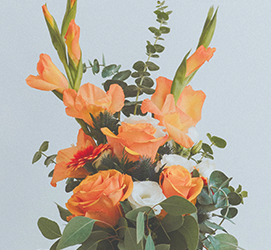
What Ilford parks disposal rules mean for funeral flowers
Posted on 11/10/2026
When a funeral is over, the flowers often carry the part that words couldn't. A wreath left by a tree, a posy tied neatly to a memorial bench, or a simple spray placed on the grass can feel like a quiet final act of love. But then comes the practical side: what Ilford parks disposal rules mean for funeral flowers, and what happens after the service or visit has ended?
If you're planning a tribute, helping a family member, or simply trying to do the right thing in a local park setting, the answer matters more than it first seems. Park rules can affect where flowers may be placed, how long they can stay, who removes them, and what happens if they're left behind. In other words, the emotional moment is only one part of the story. The rest is respectful, tidy, and a little more procedural than people expect.
This guide explains the practical meaning in plain English. You'll see how disposal rules usually work in public green spaces, what to watch for around funeral flowers in Ilford, what families and florists typically need to think about, and how to avoid the awkward little problems that can arise. Let's face it, nobody wants grief turned into a parking-ticket-style misunderstanding.
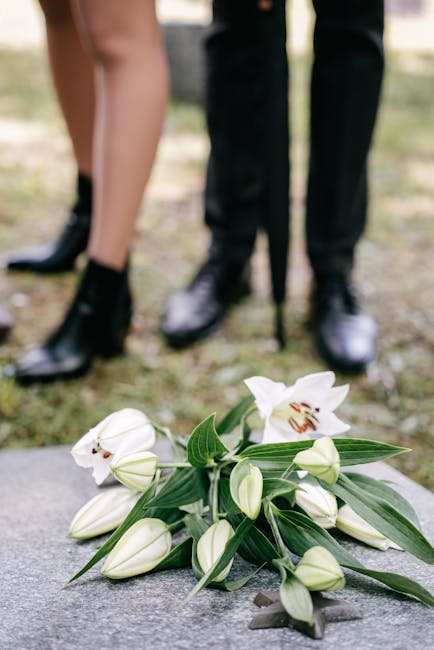
Table of Contents
- Why What Ilford parks disposal rules mean for funeral flowers Matters
- How What Ilford parks disposal rules mean for funeral flowers Works
- Key Benefits and Practical Advantages
- Who This Is For and When It Makes Sense
- Step-by-Step Guidance
- Expert Tips for Better Results
- Common Mistakes to Avoid
- Tools, Resources and Recommendations
- Law, Compliance, Standards, or Best Practice
- Options, Methods, or Comparison Table
- Case Study or Real-World Example
- Practical Checklist
- Conclusion
- Frequently Asked Questions
Why What Ilford parks disposal rules mean for funeral flowers Matters
Funeral flowers are not ordinary decorative flowers. They are often chosen with care, carried with emotion, and placed with a sense of ritual. In a park setting, though, those flowers move from being a tribute to becoming a public-space item. That shift is where disposal rules come in.
Why does that matter? Because parks need to stay safe, tidy, and accessible for everyone. A bouquet placed on a path can become a trip hazard. A foam-backed wreath can break apart in wet weather. Cardboard bases, ribbon, or plastic wrap can blow into planting beds or waterways. Even a beautiful arrangement can quickly become litter if it is left too long or placed where it isn't permitted.
In practice, these rules matter for three reasons. First, they protect the dignity of the tribute by making sure it is handled respectfully. Second, they help the park remain pleasant for visitors. Third, they reduce the risk of a family assuming flowers will stay in place when, in fact, staff may remove them after a set period. That last point catches people out more often than you'd think.
There is also a local nuance here. Ilford is part of a busy London environment, where public space sees regular use and maintenance schedules have to be practical. A family might visit a memorial in the morning and find an arrangement moved or cleared later if park operations require it. That doesn't automatically mean anything has gone wrong; sometimes it simply means the space is managed under standard public upkeep expectations.
Expert summary: the key issue is not whether funeral flowers are respectful enough. It is whether they are placed and left in a way that fits the park's maintenance, safety, and cleanliness expectations.
How What Ilford parks disposal rules mean for funeral flowers Works
The basic principle is simple: public parks generally manage unattended flowers as part of normal grounds maintenance. The precise approach can vary by location and by the type of tribute, but the flow usually looks something like this.
When funeral flowers are placed in a park, staff may allow them to remain for a period if they are neatly positioned and not causing obstruction. Over time, however, weather, footfall, and decay change their condition. Once they start to look tired, become scattered, or interfere with maintenance, they may be removed. In some settings, flowers near entrances, paths, play areas, or planted borders are likely to be cleared sooner than flowers in a more designated memorial area.
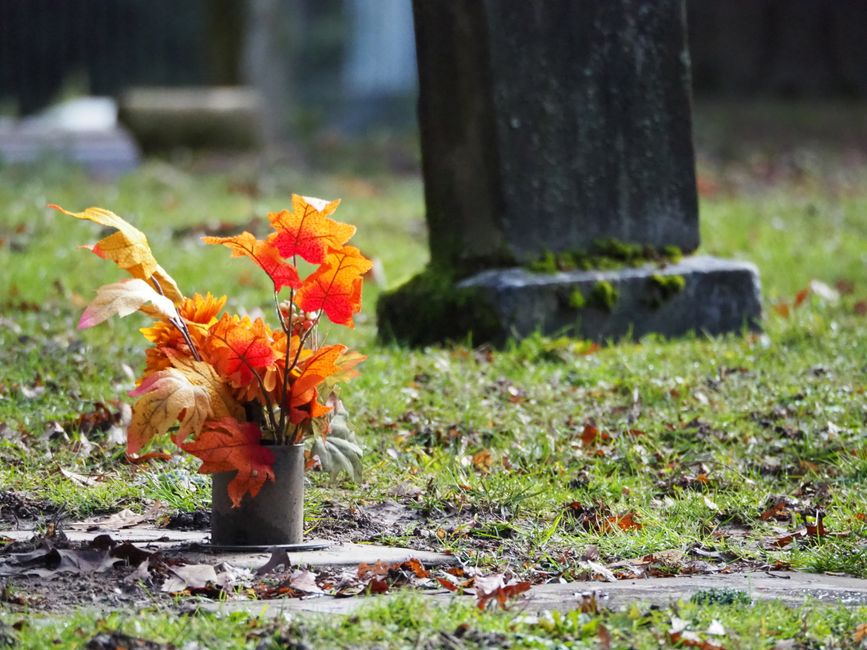
The main question is not "Can flowers be left forever?" In a public park, the practical answer is usually no, unless there is an explicitly managed memorial arrangement. Most parks are not designed as permanent storage for floral tributes. They are living spaces, and living spaces move on. Nature does its thing, and so do park crews.
If you are planning a tribute in or around a park, the important details tend to be:
- whether flowers can be placed at all in that location
- how long they may remain before removal
- what kind of containers or materials are acceptable
- who is responsible for collecting them
- whether any memorial area has separate expectations
One practical example: a family leaves a white lily bouquet beside a tree after a memorial walk. It looks lovely at first. After a week of rain, the wrapping softens, the stems droop, and petals scatter. If no one removes it, the arrangement may end up being taken away by park staff as part of routine clearance. That's not unkind. It's just how public maintenance works.
Funeral flowers also behave differently from everyday bouquets. A large wreath or tribute piece can include wire, floral foam, ribbon, card inserts, and taped stems. Those components matter because they affect how an item is handled once it is no longer fresh. Some materials can be recycled or reused only in limited ways, while others go straight into mixed waste. If you are arranging flowers for a park-related tribute, it helps to think beyond the day itself.
Key Benefits and Practical Advantages
Following park disposal rules might sound a bit unromantic, but honestly, it helps everyone involved. There are real benefits, both emotional and practical.
- Respect is preserved. A tribute placed according to park guidance is less likely to be moved abruptly or treated as stray waste.
- Families have clearer expectations. Nobody is left wondering whether flowers can stay for days, weeks, or until they are noticed.
- The setting remains safe. Clear walkways and tidy edges matter in any public space, especially where children, older visitors, or event attendees pass through.
- Waste is reduced. If flowers are collected at the right time, they can be handled more cleanly and sensibly.
- Less awkwardness later. This sounds small, but it matters. A family grieving does not need to chase a missing wreath or ask where a tribute ended up.
There is also a calmer emotional benefit. Knowing the flowers have been placed properly can lift a little weight off your shoulders. You can focus on remembrance rather than logistics, which is exactly where your attention should be in the first place.
For florists, clear rules are useful too. When the brief is understood, arrangements can be designed with more appropriate materials, sturdier bases, and less unnecessary packaging. That means the tribute is easier to place and easier to clear afterwards. Simple, but it saves trouble.
Who This Is For and When It Makes Sense
This topic is most relevant if you are:
- arranging funeral flowers for a park memorial or outdoor remembrance spot
- helping a family decide what to do with tributes after a service
- ordering flowers for a ceremony that may include time in a public green space
- managing a tribute left in a park after a gathering or wake
- working as a florist or funeral arranger and advising clients on placement
It also makes sense if you are trying to avoid problems around a place like a park bench, a tree, a footpath, or a lawn area where flowers may seem welcome but may not be meant to stay indefinitely. Truth be told, many people assume public land works like private space. It doesn't.
If you're choosing flowers for a bereavement setting, you may also want to look at arrangements that are easier to handle outdoors. A simple tribute from the funeral flowers range is often more practical than a very elaborate display, especially if it needs to travel or be left in a shared space. For softer sympathy occasions, the sympathy flowers collection may be a better fit when the setting is less formal and more personal.
And if the flowers need to be delivered quickly for a same-day memorial arrangement, it can help to use a local option such as same-day flower delivery in Little Ilford. That can be especially useful when timing is tight and you want the tribute to arrive before a service, visit, or family gathering. No one likes that last-minute scramble, but sometimes life gives you one anyway.
Step-by-Step Guidance
If you are dealing with flowers for a park setting, this is the simplest way to approach it without overthinking things.
- Check the location first. A park, memorial garden, cemetery edge, or private remembrance area may all have different expectations. Do not assume one rule applies everywhere.
- Think about the tribute format. A wreath, posy, spray, basket, or loose bouquet will behave differently outdoors. Some last better. Some are easier to remove. Some look beautiful for a day and then, well, not so much after the rain.
- Reduce unnecessary packaging. If the arrangement will be left in a public space, avoid excessive plastic or awkward wrapping where possible.
- Choose a stable base. A tribute that can sit securely is less likely to blow over or break apart.
- Plan for removal. Decide in advance whether a family member, florist, or park staff will clear the flowers and when.
- Consider the weather. A windy, wet week changes everything. A light spray may need more support than a heavy wreath.
- Be discreet and respectful. Place the tribute carefully, avoid blocking access, and keep cards or messages secure.
- Follow up if needed. If flowers are important to retain, ask whether they can be collected before they deteriorate.
A sensible habit is to build the "end of life" for the flowers into the plan from the start. That sounds a bit clinical, I know, but it saves stress. If the arrangement is meant to stay for only a day or two, say so. If someone wants to collect it afterwards, make that clear. If the tribute might be moved to another spot, prepare it for transport.
One small detail that people forget: cards. Funeral messages can be deeply personal, so if the flowers might be cleared by park staff, make sure the card is attached securely or removed separately before disposal. You don't want a heartfelt note slipping into general waste. Nobody wants that.
Expert Tips for Better Results
Here's where practical experience really helps. The best tributes are not always the biggest ones. They are the ones that suit the setting.
Use seasonal, hardy flowers where possible. In damp or windy weather, chrysanthemums, carnations, and some mixed sprays hold up better than very delicate blooms. If the arrangement is going to sit outdoors, sturdiness matters more than drama.
Keep the shape compact. A tidy wreath or posy is easier to place at the base of a tree or near a memorial stone than a wide, sprawling display that gets in the way.
Choose meaningful colours carefully. White, soft purple, and gentle pink are common sympathy choices because they feel calm and respectful. That said, the family's wishes matter more than tradition. Some prefer red or mixed colours for a warmer, more celebratory feel.
Think about transport. A tribute that looks perfect in a shop can become awkward in a car boot or on public transport. If it needs to travel through Ilford traffic or sit in a vehicle for a while, structure matters.
Ask for advice early. A knowledgeable florist can often suggest a better format if they know the tribute may be left in a park or need to be collected later. That's one of those small conversations that saves a lot of trouble.
Also, if the flowers are intended to stay on display only briefly, simpler often means better. A clean wreath, a classic spray, or a neat basket can look dignified without creating extra waste. Less fuss, more meaning. That's usually the sweet spot.
Common Mistakes to Avoid
Most problems with park tributes are not dramatic. They are small misjudgements that compound over time.
- Leaving flowers where they obstruct paths. Even a small bouquet can become an annoyance or hazard if it sits in the wrong place.
- Assuming they can remain indefinitely. Public spaces are maintained, and maintenance means removal eventually.
- Using too much packaging. Plastic wrap, loose ribbon, and cardboard can become litter quickly.
- Not checking local expectations. Park areas, memorial gardens, and adjacent spaces may all be treated differently.
- Ignoring weather exposure. Rain can flatten, stain, or soften arrangements in a matter of hours.
- Forgetting who will clear them. If everyone assumes someone else is dealing with it, the flowers may be left too long.
- Choosing fragile designs for outdoor placement. Some very elegant pieces are simply not built for public exposure.
A common one, and I've seen this happen more than once, is a family thinking the florist will automatically collect the tribute later. Sometimes that does happen. Sometimes it doesn't. If collection matters, say so clearly.
Another easy mistake is placing a card on a flower stem with only a light clip. A gusty afternoon can take it away before anyone notices. Slightly annoying, a bit sad, and very avoidable.
Tools, Resources and Recommendations
You do not need a big toolkit to manage funeral flowers properly, but a few practical items can help:
- Securing ties or ribbon: useful for keeping cards and tribute pieces in place
- Sturdy gift wrap or sleeves: helpful for transport, though often best removed before placement
- Water source or care card: for flowers that may sit for a short time before the service
- Carrier box or tray: useful for larger wreaths and sprays
- Scissors or snips: for trimming stems if the tribute needs to sit more securely
For floral upkeep after delivery, the flower care guidance can be handy even in a funeral context, especially if the arrangement will stay indoors for part of the day before being taken outdoors or collected later. And if you are comparing options for a wider order, the flower delivery in Little Ilford page is a useful place to understand the local delivery approach before timing a memorial arrangement.
For readers who want a broader sense of the business's values and service approach, the about us page and the guarantees page can add reassurance. And if you have questions about a specific order, the contact us page is the sensible next stop.
Small point, but an important one: if you are ordering on behalf of an older relative or another family member, keep the wording simple. "Please make this suitable for a park memorial" is usually more useful than a long explanation. People in floristry are used to translating grief into logistics. That's part of the job.
Law, Compliance, Standards, or Best Practice
This is one of those topics where the most careful answer is the best answer. There is no universal rule that applies to every park, every memorial site, and every flower tribute in Ilford. Public spaces can be managed by different bodies, and their practical expectations may differ. So, rather than assuming a single legal rule, it is safer to think in terms of local park guidance, site-specific permissions, and general public-space best practice.
In broad terms, the key standards are common sense and courtesy: do not block access, do not create a hazard, do not leave waste behind, and do not assume an area is a permanent memorial unless that has been clearly established. If the flowers are on private ground or part of an organised funeral setting, the expectations may be different. But in a public park, temporary placement is usually the safer assumption.
For anyone arranging flowers in a way that may involve public space, the general best practice is to ask in advance, use tidy formats, and plan removal. That applies to families, florists, and funeral directors alike. It's not bureaucratic, really. It's just respectful.
The same careful approach applies to trade and service information. For example, if you are comparing payment or service terms before placing an order, the terms and conditions, payment, and delivery pages can help you understand the practical side of ordering and timing. If sustainability matters to you, the sustainability page is also worth a look, because floral choices and packaging can have a real impact on waste in shared spaces.
None of this replaces checking the specific park or memorial location. But it does give you the right frame of mind: respectful placement, minimal waste, and clear expectations. That is the standard to aim for.
Options, Methods, or Comparison Table
Different types of funeral flowers suit different park situations. A comparison like this can help you choose the right format without guessing.
| Option | Best for | Advantages | Things to watch |
|---|---|---|---|
| Wreath | Formal tributes, memorial placement | Stable, traditional, recognisable | Can be bulky; check where it can be left |
| Spray | Services, casket-top tributes, temporary display | Elegant, manageable, familiar in funeral settings | May need secure positioning outdoors |
| Posy or basket | Smaller, personal tributes | Easy to carry, easier to remove later | Can dry out or topple if left in wind |
| Letter tribute | Named tributes and strong family messages | Highly personal, visually clear | Often more delicate and more expensive to produce |
| Loose bouquet | Informal remembrance or short-term placement | Simple, affordable, versatile | Least stable in public spaces unless arranged carefully |
If you are not sure which option works best, a florist can usually steer you toward a shape that balances dignity with practicality. A smaller, secure design is often better for a park than a very elaborate one that fights the weather and the clock.
For many families, a clean white tribute feels safest and most timeless. For others, a carefully chosen mix of colours or a tribute with meaning attached to the person's life feels more personal. Both approaches can be right. It depends on the person being remembered, and that is really what matters.
Case Study or Real-World Example
Here's a realistic scenario. A family in Ilford plans a small remembrance gathering after a funeral service. They want to place flowers near a favourite walking spot in a local park because the person being remembered loved the area and visited it often on Sunday afternoons. The family chooses a white and green wreath with a simple card message.
At first, they think they can leave it there for the rest of the week. But once they check the park's usual maintenance approach, they realise the tribute may be removed after a short time if it becomes faded or obstructive. So they adjust the plan. They choose a wreath with a sturdy base, keep the wrapping minimal, and arrange for one family member to return the next day to collect the card and any remaining flowers. Simple. No fuss.
The result is better for everyone. The tribute looks neat in the moment, it is less likely to be disturbed, and there is no awkward confusion later. In our experience, that small bit of forethought makes the emotional side of the day easier, not harder.
Another common variation is when a florist delivers a sympathy arrangement to a home first, and the family later takes individual blooms or the whole tribute to a park. In that situation, a compact, durable design is often best. It survives the car journey, the waiting period, and the outdoor conditions without falling apart. Not glamorous, perhaps, but very sensible.
Practical Checklist
Before you place or order funeral flowers for a park setting, run through this quick checklist.
- Have you checked whether the location allows flower placement?
- Do you know how long the tribute is expected to remain?
- Is the arrangement stable enough for outdoor conditions?
- Have you reduced unnecessary packaging and loose materials?
- Is there a plan for collection or disposal after the tribute period?
- Are cards, notes, and name tags securely attached?
- Have you considered wind, rain, and foot traffic?
- Does the tribute suit the tone of the person being remembered?
- Have you told the florist about any special placement concerns?
- Have you agreed who will take responsibility for clearing it later?
If you can tick most of those off, you are in good shape. Honestly, that is usually enough. You do not need a perfect plan. You just need a respectful one.
Conclusion
So, what do Ilford parks disposal rules mean for funeral flowers? In plain terms, they mean that a tribute placed in a public park is usually treated as temporary, managed with the same care and practicality as the rest of the space, and removed when it is no longer suitable to remain. That does not diminish the tribute. It simply means the tribute has to work within a public setting.
The best approach is straightforward: choose a suitable arrangement, place it thoughtfully, understand that removal may happen, and keep the process as tidy and respectful as possible. When you do that, the flowers can do what they are meant to do - carry memory, love, and farewell - without creating avoidable stress later.
If you are planning funeral flowers in the area and want help choosing something appropriate for a park, memorial, or service, it is worth speaking with a local florist who understands both the emotional and practical sides of the job.
Get a free quote today and see how much you can save.
And if all you do from this article is make one small, thoughtful decision that keeps a tribute dignified and easy to manage, that's a good outcome. Sometimes the quiet details matter most.
Frequently Asked Questions
Can funeral flowers be left in Ilford parks after a service?
Sometimes they can be left for a short period, but public parks usually treat flowers as temporary tributes rather than permanent displays. The exact approach depends on the location and how the flowers are placed.
Who removes funeral flowers from a park?
It depends on the agreement and the setting. In some cases, the family collects them. In others, park staff remove them during routine maintenance if they are left behind or become unsuitable.
How long do funeral flowers usually last outdoors?
That varies with the weather, the flower types, and the arrangement style. In cool weather they may last longer; in wet or windy conditions they can deteriorate quickly. Outdoor placement always shortens the display life compared with indoor use.
Are wreaths better than bouquets for park tributes?
Often yes, because wreaths are usually more stable and easier to place securely. But a compact bouquet or posy can also work if it is prepared carefully and is not likely to blow over.
Do park disposal rules apply to sympathy flowers as well as funeral flowers?
Yes, in practical terms they usually do. Once flowers are left in a public park, the space management issue is similar whether the tribute is for a funeral, remembrance visit, or sympathy gesture.
Can I use card messages with funeral flowers in a park?
Yes, but they should be attached securely. A loose card can blow away or be lost during removal, which is upsetting and avoidable.
What flowers are best for outdoor remembrance in Ilford?
Hardier blooms and compact arrangements usually work best. Many people choose chrysanthemums, carnations, lilies, or mixed sympathy flowers because they hold up reasonably well and feel appropriate for the occasion.
Do I need permission to leave flowers in a public park?
That depends on the specific park or memorial area. It is always safest to check local expectations first rather than assuming placement is automatically allowed.
What happens if the flowers become litter?
If a tribute breaks apart, it may be treated as waste during park maintenance. That is one reason secure bases, minimal packaging, and timely collection matter so much.
Can a florist advise on park-suitable funeral arrangements?
Yes, and they usually should. A good florist can suggest formats that travel well, sit securely outdoors, and are easier to clear later. It's one of the most useful questions you can ask.
Is it better to order a simple tribute for a park setting?
Usually, yes. Simple, well-made designs are often easier to manage, easier to respect in a public place, and less likely to become a maintenance issue later on.
What is the most important thing to remember about Ilford park disposal rules?
Remember that public parks are shared spaces. Funeral flowers need to be placed with dignity, but also with the understanding that they may be removed once they are no longer suitable to remain.